
What is an Ecotourism Resort
An ecotourism resort (also sometimes called a “green stay” or “eco‑hotel”) is more than just a place to sleep when travelling – it’s a conscious decision to integrate hospitality with environmental responsibility and cultural awareness. Ecotourism resorts provide you the opportunity to re-establish a connection with the natural world, support sustainability, and take pleasure in travel in an ethical and significant manner.
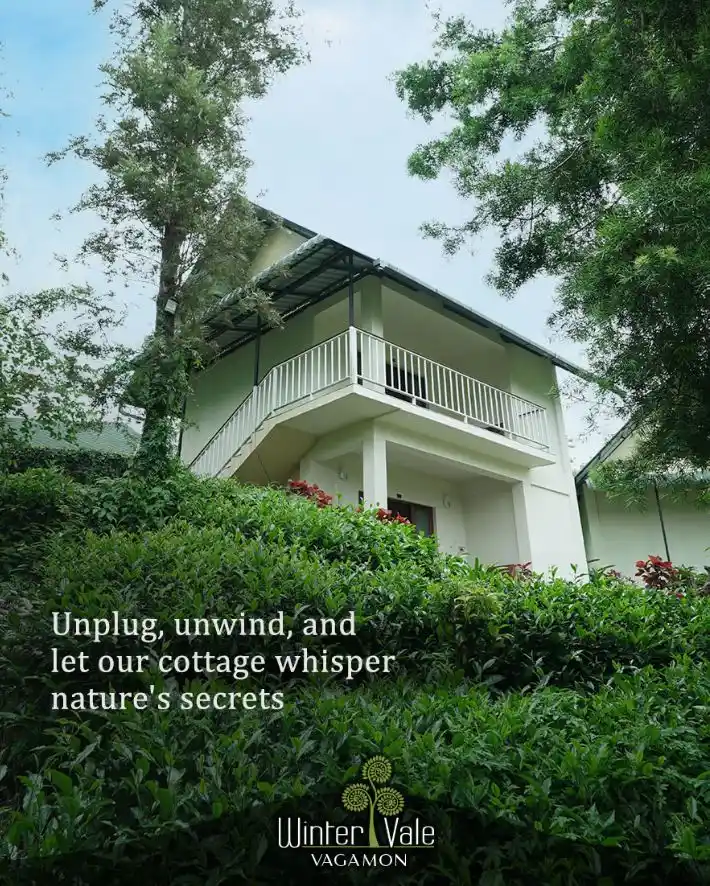
Looking for the best eco resorts in Vagamon? Winter Vale Green Stay provides an ideal balance of nature, comfort, and sustainability. This eco-resort features tranquil cottages, plantation-view rooms, and heritage villas with minimal environmental impact, all nestled amid verdant hills, tea gardens, and valleys. Guests can engage in trekking, plantation walks, birdwatching, and other nature-related activities while helping local people. Experience a serene, eco-friendly escape at Winter Vale – where responsible travel meets leisure and adventure.
What are the Three Types of Ecotourism?
Ecotourism is roughly divided into three groups based on the focus of the travel experience:
Nature-Based Ecotourism
- Focuses on exploring natural environments such as forests, mountains, wetlands, coral reefs, or wildlife habitats.
- Activities include hiking, birdwatching, wildlife safaris, snorkeling, and trekking.
Community-Based Ecotourism
- Emphasizes interaction with local communities and understanding their culture, traditions, and lifestyle.
- Visitors may participate in cultural tours, traditional cooking classes, handicraft workshops, or village stays.
Adventure or Experiential Ecotourism
- Combines environmental appreciation with adventure activities while keeping sustainability in mind.
- Activities include kayaking, zip-lining, mountain biking, and eco-friendly camping.
What is the Difference Between a Resort and an Eco Resort?
The key difference between a resort and an eco-resort resides mostly in environmental attention, sustainability, and guest experience:
Primary Focus
- Regular Resort: Comfort, luxury, and entertainment for guests
- Eco-Resort: Sustainability, environmental conservation, and nature-centric experiences
Location & Design
- Regular Resort: Can be in urban or developed tourist areas; architecture may prioritize aesthetics over environment
- Eco-Resort: Usually situated in natural settings (forests, hills, plantations) with an eco-friendly design that minimizes environmental impact
Activities
- Regular Resort: Leisure, entertainment, spa, pools, nightlife
- Eco-Resort: Nature-based activities like trekking, wildlife viewing, birdwatching, and plantation walks
Environmental Practices
- Regular Resort: Standard operations may not focus on energy or resource efficiency
- Eco-Resort: Emphasizes waste reduction, water/energy conservation, renewable energy, and minimal ecological footprint
Community Involvement
- Regular Resort: Limited or optional
- Eco-Resort: Supports local communities through sourcing, employment, and cultural engagement
Are Eco Resorts More Expensive?
Not necessarily — the cost of an eco-resort is determined by its location, amenities, and services, just like any other resort.
Key points to consider:
- Variety of pricing: Eco-resorts provide everything from luxurious villas to affordable cottages. Simple, eco-friendly accommodation, which can be less expensive than popular resorts, is prioritized by some.
- Value for money: Guests are paying for special experiences, eco-friendly operations, and immersion in nature, which adds value beyond merely a lodging, even if the rates are a little higher.
- Hidden savings: Energy and water-efficient technologies are used by many eco-resorts, which lowers operating expenses and occasionally results in fair prices for visitors.
- Location factor: Remote or premium natural areas, such as hill stations or wildlife sanctuaries, may be more expensive owing to logistics and exclusivity.
What are the 7 Principles of Ecotourism?
The seven principles of ecotourism are standards that assist in guaranteeing tourism is environmentally sustainable, socially responsible, and culturally respectful. They are well known in the field of ecotourism:
- Minimize Environmental Impact: Reduce waste, pollution, and resource consumption to preserve ecosystems.
- Build Environmental and Cultural Awareness: Educate tourists about local ecology, conservation issues, and cultural heritage.
- Provide Positive Experiences for Visitors and Hosts: Ensure tourism is enjoyable, safe, and respectful for both guests and local communities.
- Provide Direct Benefits for Conservation: Support conservation efforts financially or through volunteer programs.
- Provide Financial Benefits and Empower Local Communities: Generate income, employment, and opportunities for residents.
- Respect Local Culture and Traditions: Promote understanding and avoid disrupting traditional lifestyles.
- Support Sustainable Tourism Practices: Encourage long-term sustainability in planning, operations, and development.
What are the 4 Pillars of Ecotourism?
The four pillars of ecotourism are the key factors that guarantee tourism is sustainable, responsible, and helpful to both nature and communities. They are:
- Conservation of the Environment: Protect and preserve natural ecosystems, wildlife, and biodiversity.
- Community Well-being: Support local communities through employment, income, and social development.
- Cultural Respect: Honor and preserve local traditions, heritage, and ways of life.
- Sustainable Tourism Practices: Promote responsible travel, minimize environmental impact, and ensure long-term benefits for both nature and people.
What are the Benefits of Eco Tourism?
There are several advantages to ecotourism for visitors, local communities, and the environment. Here are the primary advantages:
- Environmental Conservation: Promotes protection of natural habitats, wildlife, and biodiversity through sustainable tourism practices.
- Economic Benefits for Local Communities: Generates income, employment, and business opportunities for local people, supporting traditional livelihoods.
- Cultural Preservation: Encourages respect for local traditions, heritage, and customs, helping preserve cultural identity.
- Educational Opportunities: Raise awareness among tourists about environmental issues, sustainability, and conservation efforts.
- Sustainable Travel Experience: Allows travelers to enjoy nature responsibly, with minimal environmental impact.
- Health and Wellness Benefits: Spending time in natural surroundings can reduce stress, improve mental well-being, and promote physical activity.
- Encourages Responsible Tourism: Promotes eco-friendly behavior, inspiring visitors to adopt sustainable practices in daily life.
Final Thoughts
Choosing an eco-friendly resort helps you to enjoy nature ethically while still making memorable memories with your loved ones. Winter Vale Green Stay Vagamon wonderfully reflects this balance, offering a tranquil stay, nature-centric activities, and sustainable practices that make every visit memorable. For those searching for the best resorts in Vagamon for family, Winter Vale offers a serene, eco-conscious getaway where comfort, adventure, and quality time with family come together effortlessly.