
Discovering Kerala's Native Flora: The Story of the Kaiyotha Plant
Nestled amidst the lush landscapes of Vagamon, every walk through Winter Vale Greenstay, one of the most serene resorts in Vagamon, is an opportunity to discover Kerala’s rich natural heritage. Walking through the vibrant greenery of Winter Vale Greenstay in Vagamon isn’t just a scenic getaway; it’s a journey into nature’s own pharmacy. Every plant around us has a story, a purpose, and a history deeply woven into traditional Kerala life.
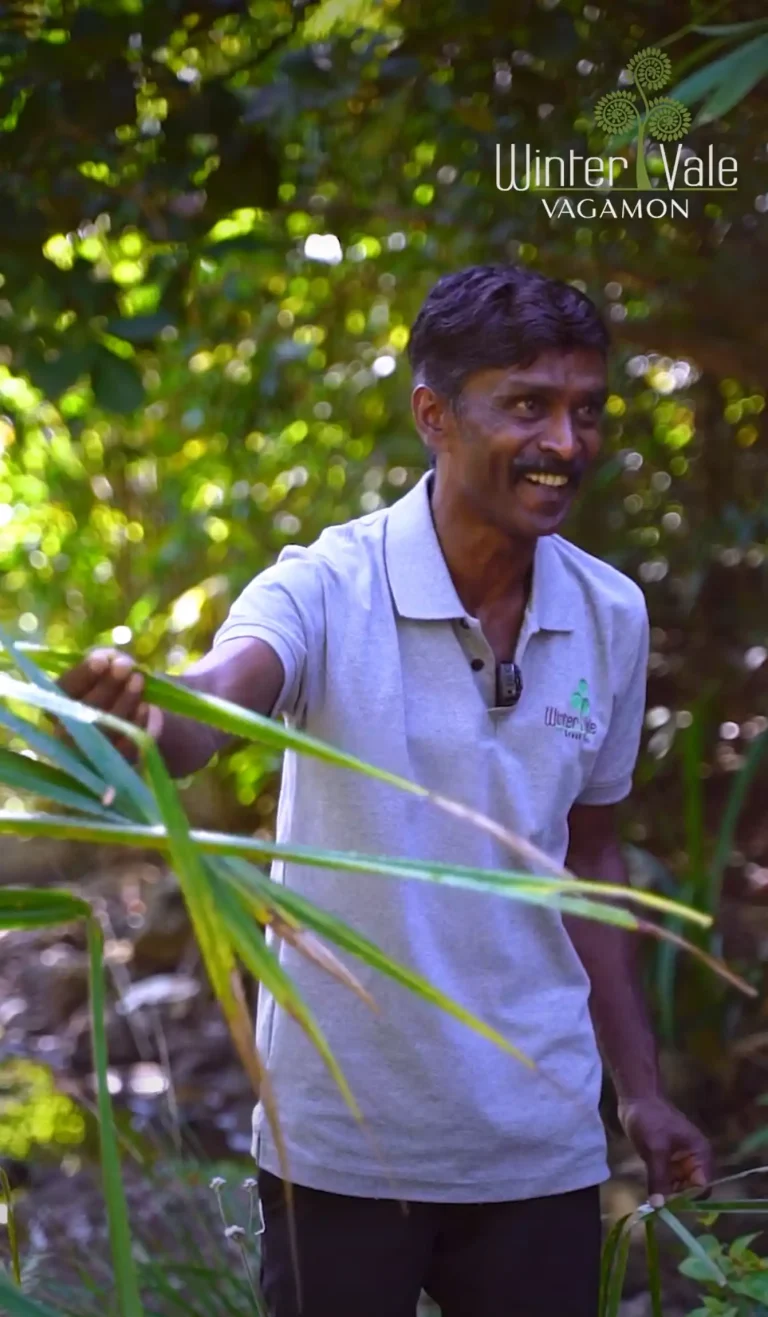
Today, we’re highlighting a special moment with our own Mahesh Chettan, who takes a closer look at a highly valued native plant found right here on our grounds: the Kaiyotha leaf.
At Winter Vale Greenstay, we believe that each stay should be more than just a vacation; it should be an experience that immerses you in Kerala’s beauty, culture, and natural wonders. Join us as we uncover the story of the Kaiyotha plant and celebrate the living treasures that make our surroundings truly unique.
Identifying the Kaiyotha Leaf
Nestled among the lush greenery of Vagamon, the Kaiyotha leaf is a stunning example of Kerala’s rich native flora. It may appear to fit in with the surrounding natural flora, yet a closer look shows its distinct features. Its unique leaf shape, natural texture, and vibrant green appearance make it stand out to those familiar with the area’s plant life.
Learning to correctly identify the Kaiyotha leaf is more than just a botany lesson; it’s an entrance to learning Kerala’s traditional knowledge, which has been passed down for generations. The first step in understanding the significance of the plant and the close relationship between nature and local heritage is recognising these distinctive indicators.
Traditional Uses & Benefits
- The Kaiyotha plant has been part of Kerala’s traditional knowledge system for generations, valued for its cultural significance.
- Local communities have historically used the plant in various traditional practices, reflecting its importance in everyday life.
- Its uses have been passed down through oral traditions, highlighting the strong connection between people and native flora.
- The plant is often associated with indigenous wisdom that emphasizes harmony between nature and human life.
- Studying its traditional applications helps us better understand Kerala’s rich ethnobotanical heritage.
- Preserving knowledge about plants like Kaiyotha contributes to protecting biodiversity and cultural identity.
- While modern research is still developing, these traditional insights continue to inspire interest in native plant studies.

Watch the Full Video
Watch the video to hear the entire explanation and learn how to recognise the Kaiyotha leaf on your next plantation walk at Winter Vale Greenstay.
This brief walkthrough will let you view the plant in its native habitat and comprehend the subtle visual clues that distinguish it from the surrounding wild flora. From its leaf texture and shape to its growth pattern among dense vegetation, the video provides a clear, practical approach to identifying it with ease.
Whether you’re a nature lover or simply enjoying the tranquil paths of Vagamon, this experience adds a deeper dimension of appreciation to your stroll, allowing you to connect with Kerala’s unique plant life in a more meaningful way.
Conclusion
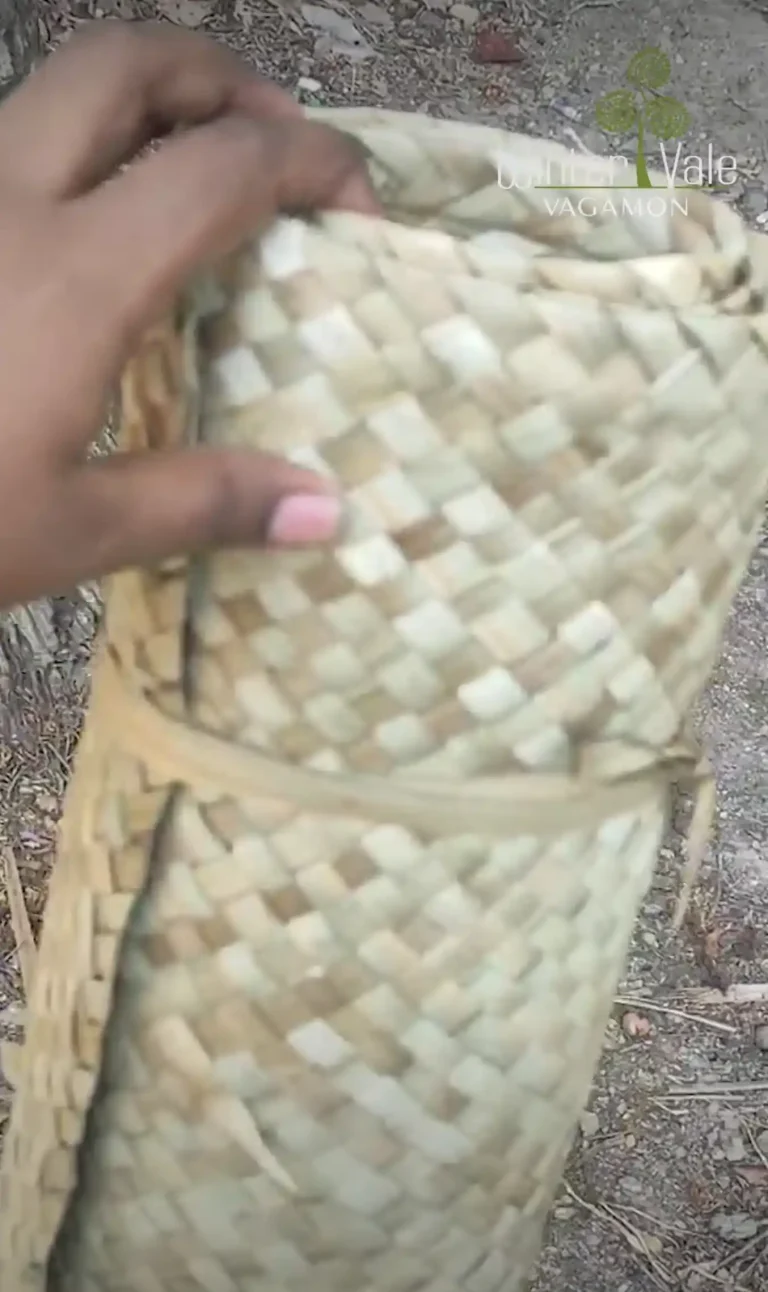
Kaithola mats are more than just handcrafted floor coverings; they symbolise Kerala’s vibrant cultural heritage and sustainable living practices. Each mat embodies the spirit of generations-old craftsmanship, skilfully and patiently woven from natural reeds.
Beyond being aesthetically pleasing, Kaithola mats are a symbol of an environmentally conscious way of life based on simplicity and respect for the natural world. As modern design increasingly values sustainability, these ancient mats retain eternal importance, connecting the past and the present.
Preserving and supporting indigenous crafts not only honours the artists who create them, but also ensures that these meaningful traditions live on for future generations.